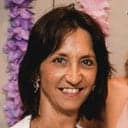
Attempts to improve the lot of the deaf in this country are not proving easy for Angela Leaney and Sheila Gibbons.
Many obstacles, including their own deafness, are getting in the way of a planned study trip to the United States and Britain.
Angela, from Mairangi Bay, and Sheila need about $10,000 each to supplement their own contributions to the cost of the six-week study tour.
They are going first to Washington for the first ever international deaf arts conference at which they believe New Zealand must be represented.
Then in Britain they plan a study of television for the deaf, something they believe is sadly lacking in this country.
Angela and Sheila are both committed to improving the lot of the deaf and expect to come back armed with information to do just that.
But of 21 firms and organisations, including the Lotteries Board, they have approached for financial support only the McKenzie Foundation has helped.
A major obstacle, they believe, is their own deafness which unlike blindness, cerebral palsy or paraplegia is invisible.
Angela and Sheila appear normal young women but both are profoundly deaf, like some 7000 other New Zealanders.
Angela works as an accountant for a travel agent, and Sheila as a computer operator for the Auckland Education Board.
Each is pursuing a better deal for the deaf through their own particular interests.
For Sheila, it is through drama and play writing. She has recently been awarded a Queen Elizabeth II Arts Council grant to write a play with professional playwright Shirley Duke.
Angela’s main interests are television for the deaf, research and writing. Until she came with her family to New Zealand three years ago she was employed in research in Britain for a book about education for the deaf.
She is editor of New Zealand Deaf Sports News, is writing the book on the World Deaf Games held in Christchurch in January, and is planning a book about the deaf and their problems in New Zealand.
Both are actively lobbying Television New Zealand and the Teletext organisation for a better deal for the deaf on television, the most logical means of communication among the deaf, they say.
They want more programmes especially for the deaf and subtitles added to more programmes for general screening.
The 7000 profoundly deaf and many more partially deaf people in this country do not get a television service which meets their needs, Angela says. Yet Iceland, with only 250 deaf people, provides daily programmes with subtitles for the deaf.
She already has many contacts in British television to help her undertake the research she is planning…research she hopes will give her campaign more oomph.