2013
article – Taonga source: Kōkiri Magazine
Māori Deaf Gather
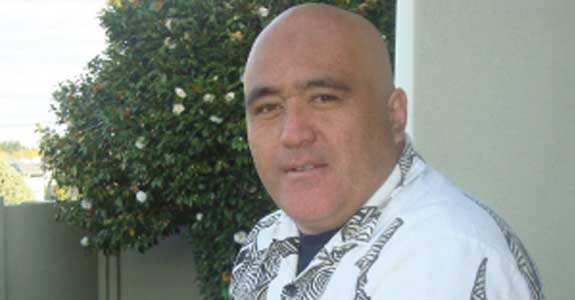
Last year on Queen’s Birthday weekend, Hamilton man Hemi Hema was honoured for his tireless work advocating for opportunities for Māori Deaf. This Queen’s Birthday weekend he was showing that his great work continues – facilitating a hui for Māori Deaf from throughout Aotearoa aimed at focusing on new beginnings for their community.


1997
video – Taonga source: Television New Zealand Archive
A kōrero with Riwia Fox, Māori NZSL interpreter
Riwia Fox, an interpreter is interviewed about her work as a trilingual interpreter. At that time, Riwia was one of only two qualified NZSL interpreters in New Zealand who are Māori, with the other being Stephanie Awheto.


biography
Profile
Hemi Hema (QSM)
Hemi Hema received the Queen’s Service Medal (Q.S.M) in 2012 for his services to the Māori Deaf community. Along with Karen Pointon in the same year, Hemi was the first Māori Deaf person to receive such an honour.

2004
video – Taonga source: Rūaumoko Komiti
The experiences of Māori Deaf
This segment from Māori TV’s Te Hēteri focuses on the experiences of Māori Deaf, catching up with Patrick Thompson, Whiti Ronaki, and Hemi Hema.

2022
article – Taonga source: The Northern Advocate
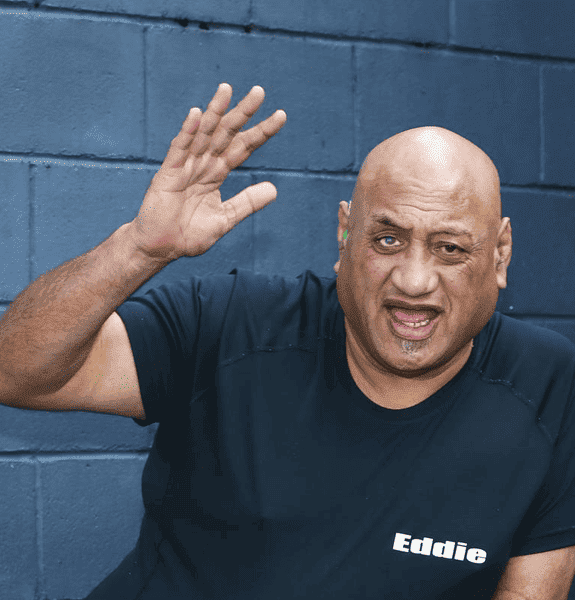
Te Wiki o te Reo Māori – Māori Language Week: Deaf Northlander Eddie Hokianga
Deaf Northlander Eddie Hokianga was on a troubled trajectory in life until he got his hands on te reo and connected with his Māori culture. Hokianga (Ngāti Kahungunu, Ngā Puhi, Ngāti Porou) and Kim Robinson of Deaf Action New Zealand are delivering a groundbreaking initiative in the form of an eight-week course to be held, ideally, across 20 Northland marae.

1996
video – Taonga source: Television New Zealand Archive
John Rua participates in a taiaha course
John Rua participates in an annual taiaha course and as a participant, he leads a pōwhiri, welcoming the visitors. ‘Te Karere’ visits the course to film John and find out more from his course instructors.

biography
Profile
John Rua (Queen Elizabeth II Silver Jubilee Medal)
John Rua is a Master Carver, a living tohunga in his art. He has carved thousands of stunning artefacts which have been displayed in maraes and museums across the country, including the carving of Te Tira Hou meeting house in Auckland, Ohope Marae in Whatakane and Okains Bay Maori and Colonial Museum in the South Island. His most noticeable achievement was training carvers at the Ngā Hau e Whā National Marae in Christchurch, a project which took 8 years to complete.

2017
video – Taonga source: New Zealand Society of Translators and Interpreters
Te Tiriti o Waitangi in New Zealand Sign Language
This resource was created for the Treaty Times Thirty project, an initiative by the New Zealand Society of Translators and Interpreters to translate New Zealand’s founding document, Te Tiriti of Waitangi into 30 different languages.

1991
video – Taonga source: Television New Zealand Archive
Māori Deaf and Deaf education
A look at the cultural education needs of Māori Deaf students. Māori Deaf are likely to experience more barriers in the education sector. Interviews undertaken by ‘Marae’ shows us that the multiple cultural identities of Māori Deaf are not completely accommodated for with aspirations on how to resolve this.

2000
video – Taonga source: AUT Visual Languages Section
Memories of Ivan and Hilda Tamepo
In an open and touching interview, Ivan and Hilda tell their tales of growing up in New Zealand, and look back on photos from their deaf schooling years.

NZSL Stories


2014
video – Taonga source: Ministry of Education
Ko Wai Au? Who Am I? See My Voice?
A video with six rangatahi communicating their stories of being young Turi Māori (Māori Deaf). The topics they discuss include recognition and acknowledgement of Deaf people in the past, Dame Whina Cooper and the impact of Kelston Deaf Education Centre.

2001
video – Taonga source: Rūaumoko Komiti
Māori Deaf Wānanga
Wānanga held in 2001, involving both Deaf and hearing Māori, focusing on NZSL skills, learning about community and culture as well as socialising and having fun.

1996
video – Taonga source: Television New Zealand Archive
Patrick Thompson discusses upcoming wānanga for Māori Deaf
Patrick Thompson is interviewed on the ‘Marae’ programme, a bilingual Māori and English language current affairs show, about setting up a wānanga to enable Māori Deaf to access te reo Maori and Tikanga Maori.

2003
article – Taonga source: Victoria News, Victoria University of Wellington
NZSL dictionary includes te reo Māori
Deaf New Zealanders now have access to te reo Māori vocabulary in the Online Dictionary of NZSL, compiled by Victoria’s Deaf Studies Research Unit.

2016
video – Taonga source: Attitude Pictures
Accessible Marae – The Reply
A short video promoting an accessible marae funded by the Think Differently campaign, featuring Mita Moses.

2022
article – Taonga source: The Northern Advocate
Northland marae set up te reo and deaf sign programmes to grow national languages
Twenty marae across Northland want to grow the number of whānau who can speak te reo Māori ... in sign language. An eight week course, He Aha, is about to get under way to help whānau improve communication with tangata turi.

1979
video – Taonga source: Sue Penman
Trans-Tasman Deaf Games: Opening Ceremony and sports
Coverage of the Trans-Tasman Deaf Games, Lincoln College, Christchurch, 10 January 1979, including opening ceremony and various sports.

2022
article – Taonga source: Stuff
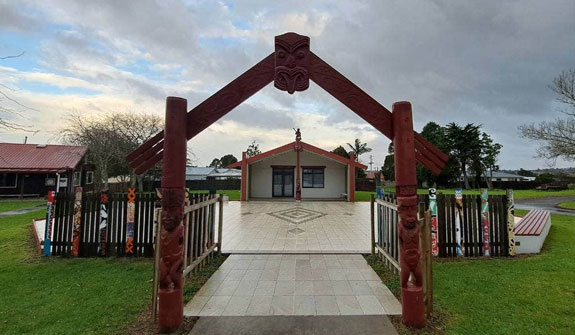
Aotearoa’s first Deaf marae celebrates 30 years of empowering Turi Māori
Friday marks 30 years since the opening of the country’s first marae for Deaf and hard of hearing Māori. Since 1992, Rūaumoko Marae, in West Auckland’s Kelston, has been a place where Deaf students can learn about te ao Māori.

1999
video – Taonga source: Rūaumoko Komiti
Mai Time features NZSL!
Mai Time made one of their episodes accessible in NZSL to mark Deaf Awareness Week 1999. KDEC’s sign singing choir and Patrick Thompson made an appearance along with as did Rūaumoko Marae’s kapa haka roopu.

1997
video – Taonga source: Television New Zealand Archive
Hunga Turi: Māori Deaf have their first accessible stay on a marae
‘Te Karare’ was present to witness members of the Māori Deaf community have their first accessible stay on Kokohinau marae.

2022
video – Taonga source: Māori Television
Deaf filmmaker aspires to make TV series in sign language
A turi (deaf) filmmaker hopes to create a TV series entirely in NZSL to showcase the language to the world. Jared Flitcroft (Ngāti Maniapoto) enjoys telling stories from all kinds of people and perspectives but says stories from the Māori deaf community are imperative.

2004
video – Taonga source: Rūaumoko Komiti
A Day in the Life of Rūaumoko Marae
Insight into the preparations that go into a powhiri onto Rūaumoko Marae, and rare footage of the powhiri itself, followed by an interview with Patrick Thompson.

1999
video – Taonga source: Rūaumoko Komiti
Deaf Association opens its new Auckland office
The Deaf Association of New Zealand opens its new offices on Great North Road, Avondale, Auckland in November 1999.
NZSL Stories


2016
video – Taonga source: Attitude Pictures
The Deaf Toolbox: Making it on the Marae
At some stage in your life you may find yourself on a marae. We’ve put together some helpful tips in NZSL so you’ll feel right at home!

2011
video – Taonga source: Deaf Aotearoa New Zealand
God Defend New Zealand: New Zealand National Anthem in NZSL, Maori & English
In NZSL with subtitles in Māori and English; created in collaboration with native speakers of NZSL, Māori & English, and sign language linguists from the Deaf community, with the purpose to create a NZSL translation that was true to the meaning behind the Māori & English lyrics.

2004
video – Taonga source: Rūaumoko Komiti
Patrick Thompson’s ‘Te Hēteri’ interview – unedited footage
Unedited footage of Patrick Thompson’s ‘Te Hēteri’ interview at the famed Star Sign Cafe on Auckland’s Dominion Road in 2004.

2005
video – Taonga source: AUT Visual Languages Section
Toa Anga Whati Māori
Māori TV's 'Toa Anga Whati Māori' profiles the Deaf Association of New Zealand on its weekly program, interviewing a series of Deaf people in sports (golf, touch rugby, rugby) before touching upon the job of a Deaf Awareness Officer who delivers training throughout New Zealand.
NZSL Stories

1992
article – Taonga source: Western Leader
Deaf learn Maori culture
A Maori house of learning for deaf children was opened at the Kelston Deaf Education Centre in Auckland yesterday after many hours of voluntary work by deaf adults and pupils.
2018
article – Taonga source: Southland Times
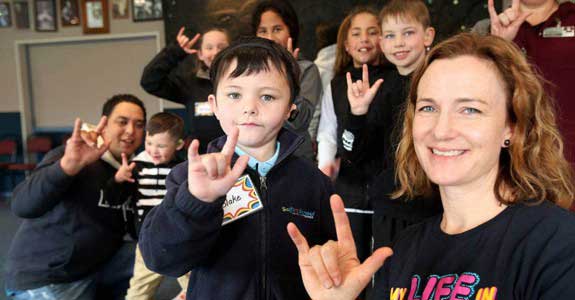
Marae visit highlights challenges the deaf face in connecting with Māori culture
A visit by a group of Southland students to a marae has highlighted the challenges faced by deaf Māori who want to connect with their culture.


Est. 1992
COLLECTIONS – CURATED BY SIGNDNA: DEAF NATIONAL ARCHIVE
Rūaumoko Marae
Rūaumoko Marae has been part of Deaf Māori community for 30 years and is a central part of Deaf Māori community. It's a place where Deaf Māori can just be; they can connect and learn about te ao Māori.