HomePublicationsNFD Communicate: Winter 1997

NFD Communicate: Winter 1997

Some of the items featured in the Winter 1997 (Vol. 6, No. 4) Issue of ‘NFD Communicate’:

  • The NFD Communicate magazine is now free, previously at $4.95 per issue. NFD is now printing 8000 copies per issue. 
  • The “first graduates in Maori Sign Language’ – Stephanie Awheto and Riwia Fox (article extracted from the NZ Herald).
  • The Deaf Education Access Forum has been meeting for over two years, with members agreeing that the priority is to work more closely with families when they first realise their child is deaf. Two new positions are being designed to support families. 
  • The Deaf Association’s national lottery promoter faces a $40,000 loss. After going on television to see if people would buy more tickets, $40,000 worth of tickets were sold in 48 hours.
  • Deaf Organisations
  • TV/Media
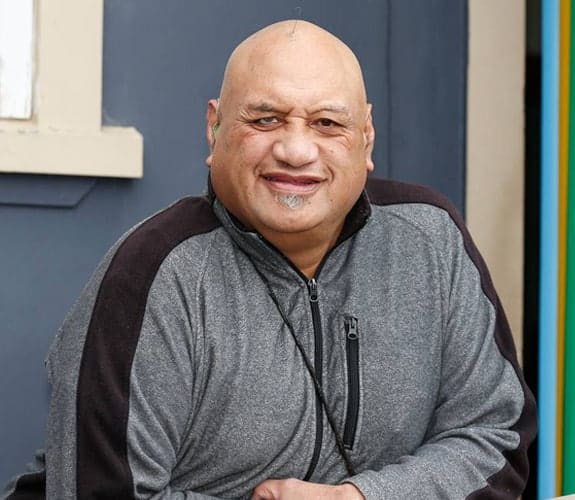
NZSL story – Taonga source: Tony Walton

From New Lynn to Avondale: A Necessary Move

Tony served as President of the New Zealand Association of the Deaf from 1999 to 2003. At the time, the focus was on supporting Deaf youth – not relocating. But when asbestos was discovered in the ceiling of the New Lynn building, with removal costs estimated at $600,000, a major decision had to be made. With support from a funder willing to underwrite the risk, the building was sold and a new location was secured. The Avondale office officially opened in November 1999.
NZSL story – Taonga source: Tony Walton

Tony Walton on Building a More Accessible Deaf Aotearoa

Tony reflects on his involvement with the New Zealand Association of the Deaf (now Deaf Aotearoa). In 1989, during the World Deaf Games, New Zealand had only two or three qualified NZSL interpreters – a serious shortage. NZDSA was strongly sign-based, while the NZAD board leaned more oral. After the Games, Tony joined NZAD as a delegate to learn how it worked, eventually becoming President. His focus was on Deaf youth, leading to the creation of Friends of Young Deaf (FYD), better Māori engagement and involvement with more NZSL interpreters. One key goal was to have 13 interpreters nationwide, giving every major town and city access. Interpreter pay and access were limited back then – very different from today.
Taonga source:
National Foundation for Deaf and Hard of Hearing
Reference number:
SignDNA – Deaf National Archive New Zealand, NFDC1997-6-4-MJN
Note:
This item has been compressed and/or edited.