Helping the deaf to communicate
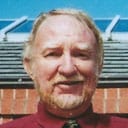
Mr D. Beech, Palmerston North, vice-president of the New Zealand Association of the Deaf, was in New Plymouth over the weekend to demonstrate a new machine which enables deaf people to use a telephone.
He is pictured (above), demonstrating it to (from left) Mr B. Gernhoefer, Mrs G. Gernhoefer and Mr K. Neale, president of the Taranaki Deaf Club.
The machine looks something like a typewriter and operates using high frequencies. The number wanted is dialed normally, and then the machine is switched on and the receiver placed on it. When the person at the other end answers the telephone, they also place their receiver on a machine. A conversation can then be conducted by typing out the message which appears on the screens of both machines.
Mr Beech said the association is trying to get the machines accepted nationally, and are looking at the idea of having them subsidised by a Government department.
“Ideally, we would like to see them used by all emergency services — fire, police and ambulance. We would also like to see an answering service using the machines, established in each city. If a deaf person wanted to make an appointment with the doctor, for example, he would ring the answering service.
“They would explain what they wanted to the service. The service would make the appointment and then ring the person back to let them know when it was.”
Mr Beech said the machines cost $605 and were made under licence in New Zealand for the parent company in the United States.
“These machines will make a lot of difference in the lives of deaf people if we can get them accepted,” he said. “At the moment we have a bit of trouble with the telephone operators. I made a toll call to a friend in Palmerston North who had a machine, and the operator kept cutting us off because she couldn’t hear us talking.”
- Technology
- TV/Media